
Common Aston Martin Engine Problems in Dubai Heat—Expert Guide by Car Engine Repair

Introduction: Why Dubai Heat Is a Serious Threat to Aston Martin Engines
Dubai’s extreme climate presents a unique challenge for high-performance vehicles, and Aston Martin engines are no exception. With summer temperatures regularly exceeding 45–50°C, combined with heavy traffic congestion and airborne dust, engines are forced to operate far beyond the conditions they were originally optimized for. While Aston Martin vehicles are engineered for performance and precision, constant exposure to intense heat accelerates wear across critical engine components.
Luxury performance engines rely on tight mechanical tolerances, advanced electronics, and high-quality lubrication to deliver smooth power. In Dubai’s desert environment, these systems are under continuous thermal stress. Engine oil breaks down faster, cooling systems work overtime, and sensitive sensors are pushed closer to their operational limits. Over time, this strain can lead to overheating, power loss, oil leaks, and electronic faults if not addressed early.
This is why early diagnosis and preventive engine care are essential in the UAE. Small issues that might remain harmless in cooler climates can escalate rapidly in Dubai’s heat. At Car Engine Repair, We regularly see Aston Martin engine problems that could have been prevented with timely inspection and heat-specific maintenance. Understanding how the environment affects your engine is the first step toward protecting its performance and longevity—something our Aston Martin engine repair services are specifically designed to address in Dubai’s extreme climate.
How Dubai’s Climate Impacts Aston Martin Engine Performance
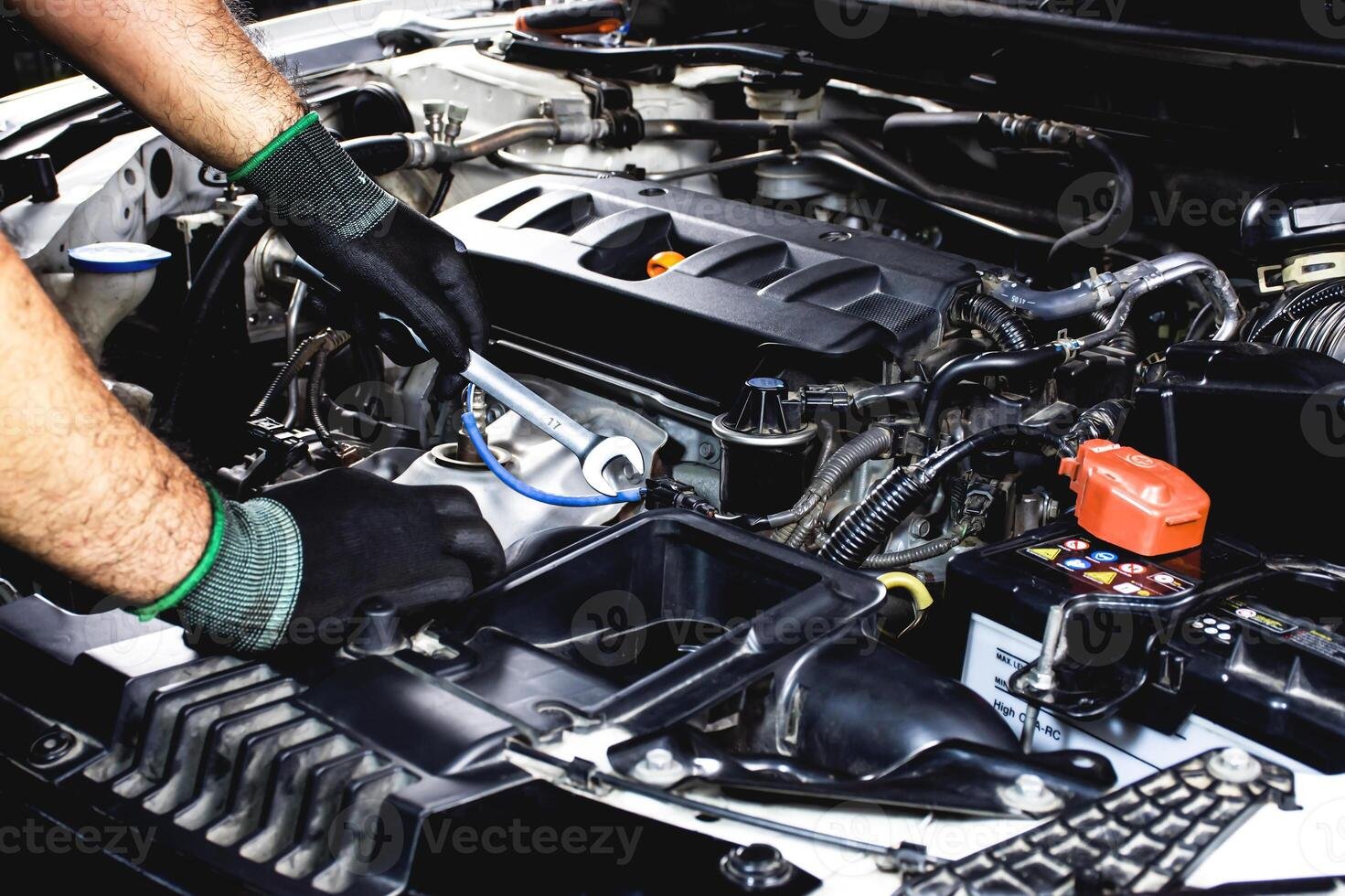
Dubai’s climate doesn’t just “stress” an engine — it actively changes how engine systems behave and age. The combination of extreme heat, fine dust particles, and constant stop-and-go driving creates conditions that accelerate mechanical and electronic degradation.
Effects of 45–50°C Temperatures on Engine Components
At high ambient temperatures, an Aston Martin engine operates closer to its thermal limits. Cooling systems must dissipate more heat, especially in traffic where airflow is minimal. Prolonged heat exposure can weaken radiators, thermostats, hoses, and water pumps, increasing the risk of overheating. Metal components expand more aggressively, while gaskets and seals lose elasticity, leading to oil and coolant leaks.
Heat Stress on Sensors, Seals, and Lubricants
Modern Aston Martin engines depend heavily on ECU-controlled sensors to manage fuel delivery, ignition timing, and emissions. Extreme heat can cause sensors to drift out of tolerance, triggering warning lights or reduced performance modes. At the same time, engine oil degrades faster in Dubai, losing its protective properties and increasing internal friction. Rubber seals and gaskets harden under constant heat exposure, making leaks far more common in the UAE than in cooler regions.
Impact of Sand, Dust, and Stop-and-Go Traffic
Fine sand and dust in Dubai can clog air filters and contaminate intake systems, restricting airflow and affecting combustion efficiency. When combined with stop-and-go traffic, engines experience prolonged idling and repeated heat soak cycles. This leads to higher under-bonnet temperatures, increased fuel system stress, and faster wear of ignition and cooling components.
At Car Engine Repair, our Aston Martin engine diagnostics are designed specifically for these Dubai-specific conditions. By identifying heat-related stress early, we help prevent minor performance issues from turning into costly engine repairs.
3. Most Common Aston Martin Engine Problems in Dubai Heat
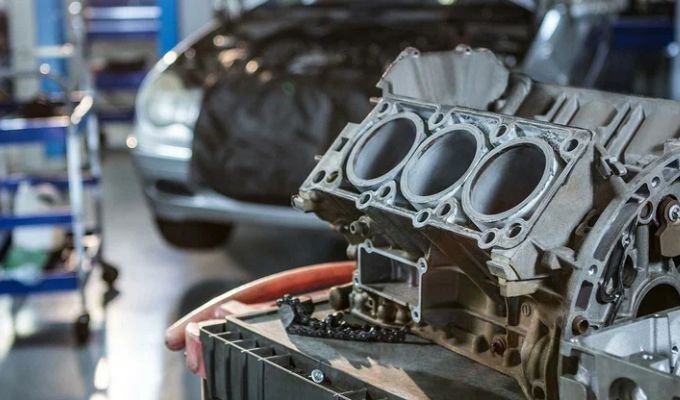
Dubai’s extreme climate doesn’t just accelerate wear—it changes the failure patterns of high-performance Aston Martin engines. Prolonged exposure to intense heat, traffic congestion, and dust creates a unique set of engine problems that require specialist attention.
3.1 Engine Overheating & Cooling System Failure
Engine overheating is one of the most serious and common Aston Martin issues in Dubai. Performance engines generate significant heat even under normal conditions. In 45–50°C ambient temperatures, cooling systems are pushed beyond their designed operating margins.
Radiator inefficiency in extreme heat Dust buildup and mineral deposits reduce radiator heat-dissipation efficiency. Restricted airflow, especially in city traffic, causes coolant temperatures to rise rapidly.
Thermostat & coolant hose failures Constant thermal cycling causes thermostats to stick and coolant hoses to weaken or crack. A single failed hose can lead to sudden coolant loss and rapid overheating.
Cooling fan and water pump issues Cooling fans often run continuously in Dubai, increasing wear on motors and relays. Water pumps also degrade faster, reducing coolant circulation and increasing the risk of engine damage.
At Car Engine Repair, overheating diagnostics focus on identifying the root thermal weakness, not just refilling coolant.
3.2 Oil Breakdown & Excessive Oil Consumption
This is one of the most misunderstood Aston Martin engine problems in the UAE.
Why engine oil degrades faster in Dubai High temperatures cause engine oil to oxidize and thin more quickly. Once oil loses viscosity, it can no longer maintain proper lubrication under load, increasing friction and wear.
Valve seal wear & gasket leaks Heat accelerates valve stem seal hardening and gasket fatigue. This allows oil to seep into combustion chambers or leak externally, increasing oil consumption and smoke emissions.
Risk of engine seizure if ignored Low or degraded oil compromises bearing protection. In severe cases, this leads to crankshaft or connecting rod failure—turning a manageable repair into a full engine rebuild.
Dubai-specific oil analysis and shortened service intervals are critical for Aston Martin engines.
3.3 Loss of Power & Performance Drop
A noticeable reduction in performance is often a protective response, not just mechanical failure.
Heat-related ECU power reduction (limp mode) When sensors detect abnormal temperatures, the ECU limits power output to protect the engine. This results in reduced acceleration and throttle response.
Turbocharged engine stress Turbochargers operate at extremely high temperatures. Heat soak reduces boost efficiency and increases stress on bearings and seals, especially in traffic-heavy driving.
Poor throttle response in hot conditions Heat-affected airflow readings and fuel mapping errors can make the throttle feel sluggish or inconsistent.
Accurate ECU diagnostics are essential to distinguish between software adaptation and mechanical faults
3.4 Engine Misfires & Ignition Problems
Misfires become more common as ignition components age in extreme heat.
Heat-damaged ignition coils & spark plugs High under-bonnet temperatures degrade coil insulation and reduce spark efficiency, leading to incomplete combustion.
Fuel vaporization issues In extreme heat, fuel can vaporize prematurely in delivery systems, disrupting the air-fuel mixture and causing hesitation or misfires.
Rough idling and engine shaking Uneven combustion results in vibration, shaking at idle, and inconsistent power delivery—early signs that should never be ignored.
3.5 Engine Sensor & ECU Malfunctions
Modern Aston Martin engines rely on precise electronic feedback.
Heat-damaged temperature & oxygen sensors Prolonged heat exposure causes sensors to drift out of calibration, sending incorrect data to the ECU.
ECU overheating & error codes Excessive under-bonnet temperatures can affect ECU performance, triggering fault codes and erratic engine behavior.
Warning lights triggered by thermal stress False or intermittent warning lights are common when sensors fail under heat stress—making professional diagnostics essentia
4. Early Warning Signs of Aston Martin Engine Trouble in Dubai
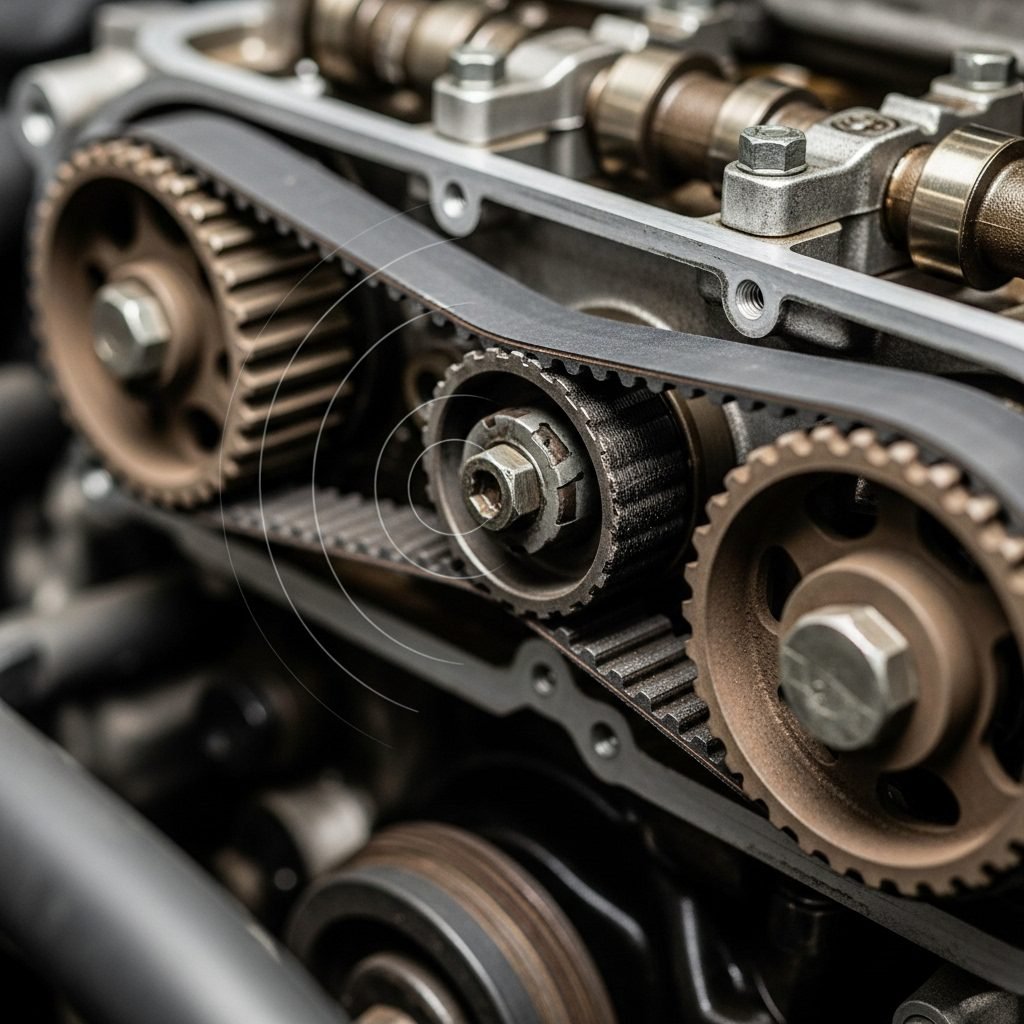
Recognizing early symptoms can save thousands in repair costs.
Rising temperature gauge Even slight temperature increases under normal driving indicate cooling system stress.
Burning oil smell Often a sign of oil leaks or oil burning inside the engine due to seal failure.
Reduced acceleration May indicate ECU intervention, turbo stress, or fuel-air imbalance.
Engine warning lights Never ignore warning lights in Dubai heat—they often signal developing engine faults.
Abnormal engine noises Knocking, ticking, or rattling sounds suggest lubrication or internal component issues that worsen rapidly in high temperatures.
a) Engine Diagnostics & Inspection
Computerized Diagnostics
Modern cars rely heavily on electronic systems. Computerized engine diagnostics use advanced scanners to read error codes, monitor engine performance, and identify hidden faults. This method is fast, accurate, and cost-effective, helping prevent unnecessary repairs.
Manual Engine Inspection
Experienced mechanics also perform hands-on inspections to identify oil leaks, worn components, abnormal noises, and overheating issues. Manual checks are essential for detecting mechanical problems that electronic tools may not fully capture.
5. Why Aston Martin Engines Need Specialist Repair in Dubai
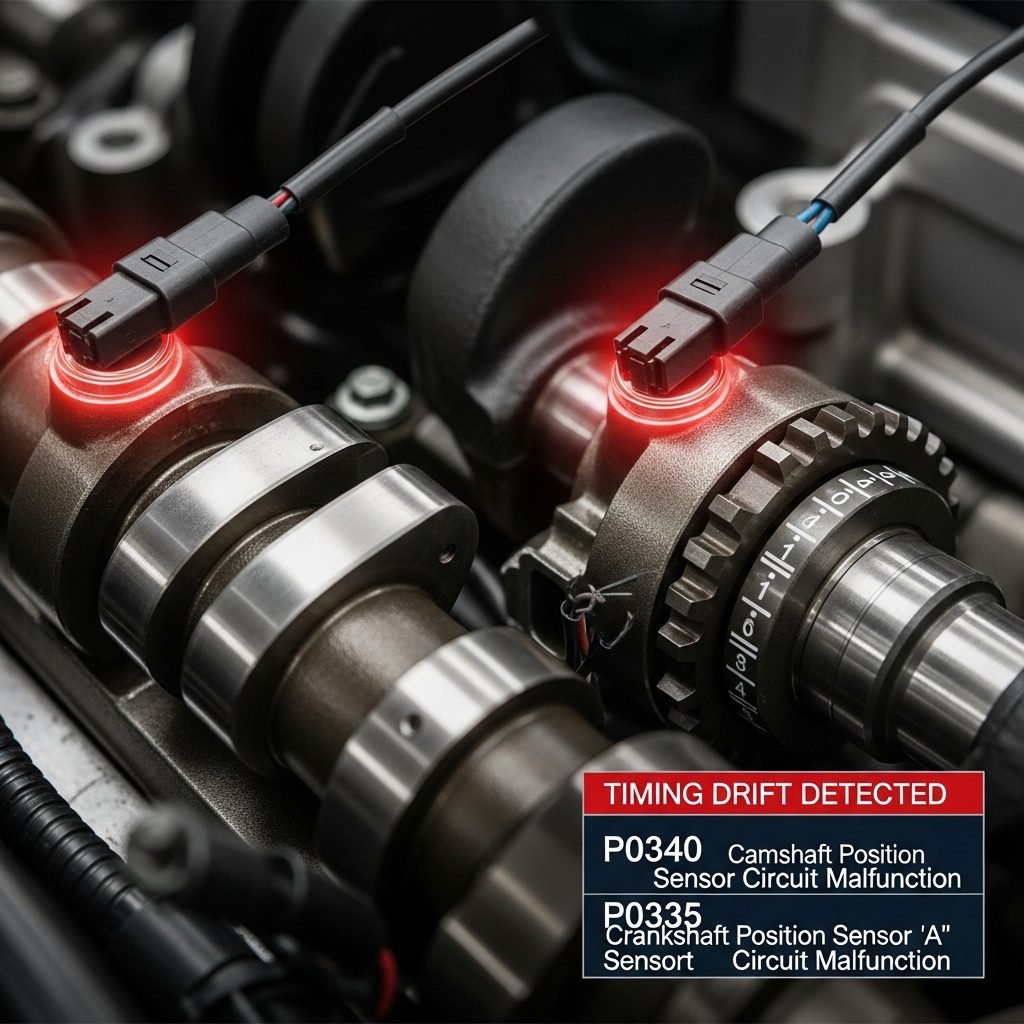
Aston Martin engines are engineered for precision performance, not tolerance for neglect or generic repair methods. In Dubai’s extreme climate, these engines operate under constant thermal pressure, making specialist care essential rather than optional.
High-performance engine tolerances Aston Martin engines are built with extremely tight tolerances to deliver smooth power, efficiency, and responsiveness. Even minor deviations caused by heat-related wear—such as oil thinning, sensor drift, or seal degradation—can significantly affect performance and reliability. General repair approaches often overlook these fine margins.
Advanced diagnostics required Modern Aston Martin powertrains rely on complex engine management systems that continuously adjust fueling, ignition timing, and cooling strategies. Diagnosing issues accurately requires more than a basic scan—it demands factory-level software, live data interpretation, and an understanding of how heat alters system behavior in Dubai conditions.
Importance of Aston Martin-experienced technicians Technicians without Aston Martin experience may misdiagnose symptoms or replace parts unnecessarily. An experienced specialist understands common failure patterns caused by UAE heat and can address the true root cause, saving both time and cost while preserving engine integrity
6. Aston Martin Engine Diagnostics Process at Car Engine Repair
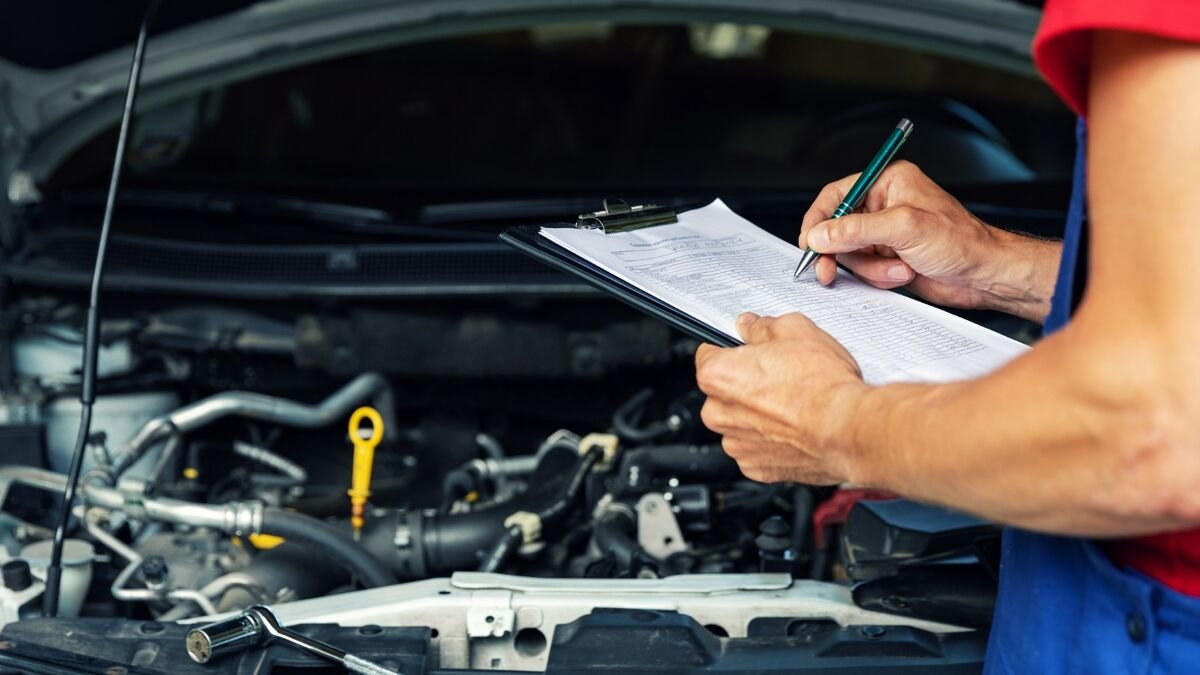
At Car Engine Repair, engine diagnostics are never based on assumptions. Our approach is data-driven, heat-focused, and tailored specifically to Aston Martin engines operating in Dubai’s climate.
Dealer-level diagnostic tools
We use advanced, Aston Martin-compatible diagnostic systems capable of accessing manufacturer-specific fault codes, live sensor data, and engine adaptation values. This allows us to identify hidden issues that generic scanners often miss.
Live heat-stress testing
Unlike standard workshops, we evaluate engine behavior under real heat conditions. This includes monitoring coolant temperatures, oil pressure, airflow, and ignition timing as the engine reaches full operating temperature—where many Dubai-specific issues appear.
ECU scanning & thermal fault analysis
Our diagnostics include in-depth ECU analysis to detect heat-related derating, sensor inaccuracies, and abnormal thermal responses. This ensures that electronic faults are identified before they escalate into mechanical damage.
Road testing in Dubai conditions
Every diagnosis is validated through controlled road testing in traffic and highway conditions. This confirms real-world performance, ensures accurate repairs, and eliminates repeat issues.
7. Engine Repair vs Engine Rebuild – What’s Best for Dubai Heat Damage
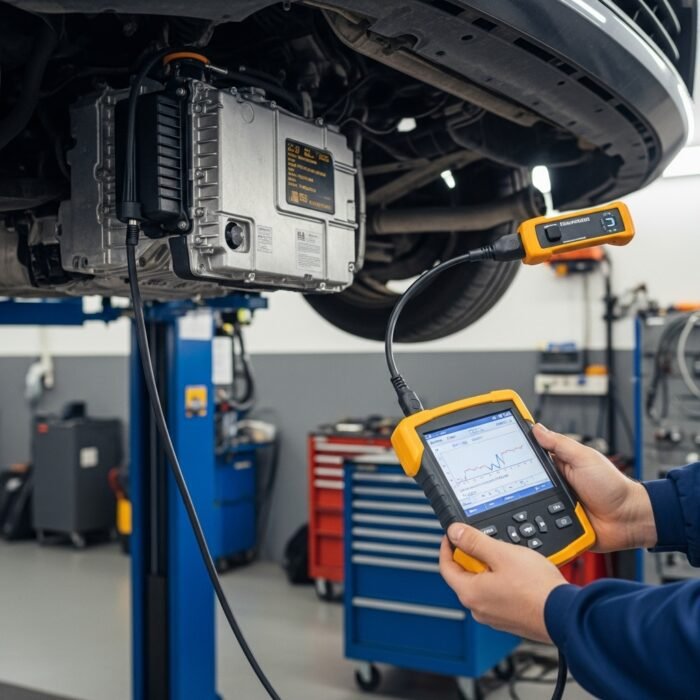
Not every Aston Martin engine issue requires a rebuild. Choosing the correct approach depends on damage severity, heat exposure duration, and internal engine condition.
When repair is enough
Targeted engine repairs are often sufficient when issues are caught early. These include:
- Sensor or ECU-related faults
- Cooling system component failures
- Oil seal and gasket leaks
- Ignition or fuel system issues
Timely repairs restore performance while keeping costs controlled.
When rebuild is unavoidable
An engine rebuild becomes necessary when prolonged overheating, oil starvation, or internal wear has caused damage to bearings, pistons, or cylinder walls. Ignoring early symptoms in Dubai heat often turns minor issues into rebuild-level failures.
Cost-saving strategies for Aston Martin owners Early diagnostics, shortened service intervals, and heat-focused maintenance dramatically reduce long-term costs. At Car Engine Repair, we prioritize repair-first solutions and only recommend a rebuild when it is mechanically unavoidable—protecting both your engine and your investment.
8. Preventing Aston Martin Engine Problems in Dubai Heat
Preventive maintenance is the most effective way to protect an Aston Martin engine in Dubai’s extreme climate. Heat-related damage develops gradually, and proactive care significantly reduces the risk of expensive engine repairs or rebuilds.
8.1 Heat-Optimized Maintenance Tips
Engine oil degrades faster in high temperatures, losing its ability to protect internal components. In Dubai, Aston Martin engines benefit from shorter oil change intervals than those recommended in cooler regions. Fresh, manufacturer-approved oil ensures proper lubrication, stable oil pressure, and reduced internal wear.
Cooling system inspection
Regular cooling system checks are essential. Radiators, coolant hoses, thermostats, and water pumps should be inspected for leaks, blockages, and reduced efficiency. Preventive inspections help avoid sudden overheating and long-term thermal damage.
Proper warm-up & cool-down practices
Allowing the engine to reach operating temperature before aggressive driving improves lubrication flow and reduces stress on internal components. After extended or high-load driving, a short cool-down period helps stabilize engine temperatures and protects turbochargers and bearings from heat soak.
9. Why Choose Car Engine Repair for Aston Martin Engine Problems in Dubai
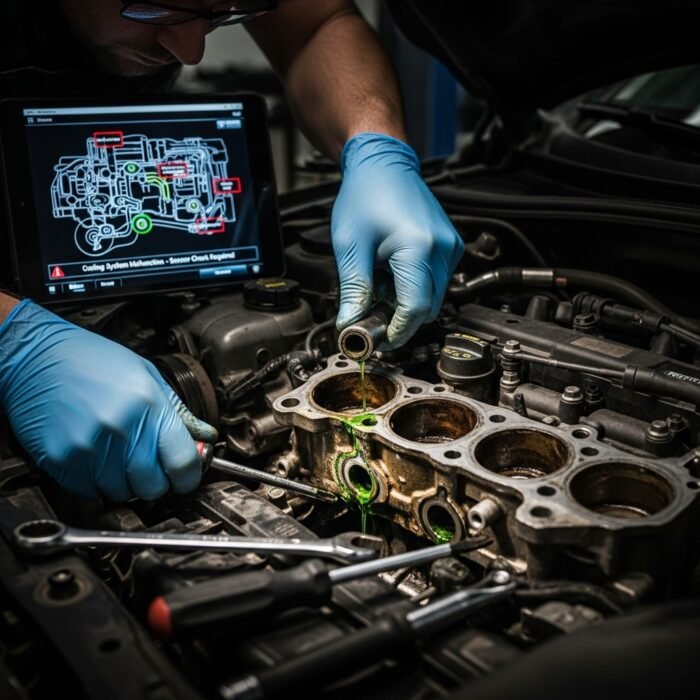
Choosing the right specialist makes all the difference when it comes to maintaining and repairing a high-performance Aston Martin engine.
Car Engine Repair focuses exclusively on high-end and performance engines. Our experience with Aston Martin powertrains allows us to identify patterns of heat-related wear unique to Dubai conditions.
Dubai’s heat-focused repair approach
We don’t apply one-size-fits-all solutions. Every repair and maintenance plan is designed around the realities of UAE heat, traffic, and driving habits—ensuring long-term reliability, not temporary fixes.
Transparent inspections & expert advice
Our diagnostic process is fully transparent. Clients receive clear explanations, documented findings, and honest recommendations—repair-first whenever possible, rebuild only when necessary.
Advanced diagnostic technology
Using dealer-level diagnostic tools and live thermal analysis, we deliver precise, data-driven solutions. This reduces unnecessary part replacements and ensures accurate repairs the first time.
With Car Engine Repair, your Aston Martin engine receives specialist care designed to handle Dubai’s demanding environment—protecting performance, reliability, and value.
10. Aston Martin Engine Maintenance Checklist for Dubai Owners
Keeping your Aston Martin running flawlessly in Dubai requires a Dubai-specific maintenance routine. Here’s a simple, actionable checklist that owners can follow or print for reference:
✅ Cooling system check
- Inspect radiator, coolant hoses, and thermostat
- Flush and replace coolant at recommended intervals
- Ensure cooling fans and water pumps are fully operational
✅ Oil & filter inspection
- Use manufacturer-approved oils suitable for high temperatures
- Replace oil and filters more frequently than in cooler climates
- Check oil level and pressure during and after heat-intensive driving
✅ Sensor health scan
- Test temperature, oxygen, and pressure sensors for accuracy
- Scan ECU for heat-induced fault codes
- Recalibrate sensors if drift is detected
✅ Leak detection
- Inspect valve covers, timing covers, and oil lines for leaks
- Check seals and gaskets for heat-induced shrinkage or cracks
- Address leaks immediately to prevent engine damage
✅ Performance testing
- Conduct road tests under typical Dubai traffic and highway conditions
- Monitor acceleration, throttle response, and engine temperature
- Verify ECU adjustments and cooling system performance
This checklist ensures that engine problems are caught early, reducing costly repairs and maintaining peak performance under Dubai’s extreme heat.
Frequently Asked Questions
Why do Aston Martin engines overheat in Dubai?
Dubai’s extreme heat, heavy traffic, and dusty conditions put extra stress on cooling systems. Overheating often occurs due to radiator inefficiency, failed water pumps, thermostat issues, or low coolant levels.
How often should engine oil be changed in UAE?
In Dubai, engine oil should generally be replaced every 5,000–7,000 km or 4–6 months, whichever comes first. High temperatures accelerate oil degradation, reducing its ability to protect engine components.
Is overheating common in Aston Martin cars?
While not inevitable, overheating is more frequent in Dubai due to heat stress. Preventive maintenance, cooling system inspections, and correct driving habits reduce the risk.
Can Dubai heat damage the ECU?
Yes. Prolonged exposure to extreme under-bonnet temperatures can affect ECU electronics, causing false fault codes, sensor misreads, or temporary derating of engine power.
Should I repair or rebuild my Aston Martin engine?
Most issues can be repaired if caught early. Rebuilds are required only when internal components—like pistons, bearings, or turbochargers—suffer severe heat-induced damage. Specialist diagnostics ensure the correct approach.