Rolls-Royce Phantom Engine Problems: Why V12 Engines Need Specialist Diagnostics
The Rolls-Royce Phantom is a masterpiece of engineering, but even the most powerful V12 engines can develop problems over time. Drivers often notice subtle issues like rough idling, misfires, or warning lights, which may seem minor but can escalate quickly if ignored. In hot climates and heavy traffic, these symptoms become more frequent and more costly to fix.
Understanding the root causes of engine problems is key to keeping a Phantom running smoothly. From overheating and oil leaks to power loss and electrical faults, knowing what to watch for helps prevent severe damage. This guide explores the most common issues, why they occur, and practical steps to diagnose and address them before they turn into expensive repairs.

Owners of Rolls-Royce Phantoms in Dubai usually notice subtle engine issues before they escalate into serious problems. The V12 engine is complex and powerful, and even minor symptoms can signal developing faults. Early detection is crucial for maintaining performance, fuel efficiency, and avoiding costly repairs. Understanding these common problems ensures the Phantom continues to deliver the smooth and luxurious driving experience it is known for.
You may notice rough idling, shaking, or cabin vibrations
Rough idling and vibrations are often the first signs of engine imbalance. When the Phantom shakes at a stop, it usually points to uneven engine operation or mechanical issues. Misfires, inconsistent combustion, or airflow problems reduce smoothness and affect idle quality.
These symptoms can appear as:
- Rough idling and dips in engine performance
- Noticeable vibrations inside the cabin while stationary
- Reduced combustion efficiency and fuel economy
Engine Vibration Repair can help identify and correct these issues early.
Engine Misfires in One or Multiple Cylinders
Intermittent misfires usually indicate ignition and combustion-related faults. Sometimes the issue occurs in a single cylinder, sometimes randomly across multiple cylinders. This makes acceleration jerky and the drive uneven. Early Engine Misfire Repair is critical to prevent worsening.
Your Phantom may feel sluggish or hesitate during acceleration
If your Phantom feels slow to pick up speed or hesitates during acceleration, it often points to a fuel, sensor, or airflow-related issue. You may notice delayed throttle response and weak performance, especially during overtaking. In some cases, the engine may enter limp mode to protect itself. Early diagnosis via Engine Inspection restores smooth power delivery.
Engines in Dubai may overheat during traffic or idle
Overheating is common for Phantom engines in Dubai due to heavy traffic and high temperatures. Long idle periods with AC running can cause coolant circulation issues. Symptoms include:
- Rapidly rising engine temperature
- Steam emerging from under the bonnet
- Poor coolant efficiency causing internal stress
Engine Overheating Diagnosis is essential to prevent permanent V12 damage.
Oil leaks, burning oil, or strong oil smells should not be ignored
Oil leaks reduce lubrication and, if left untreated, can cause major engine damage. Signs include:
- Visible oil seepage under the car
- Strong burning oil smell
- Oil entering combustion chambers
Engine Oil Leakage Repair ensures the V12 continues running safely.
Coolant leaks and steam can lead to engine damage
Coolant leaks often start minor but can escalate quickly, especially in hot climates. Leaks from hoses, weak seals, or cooling joints under pressure can cause overheating. Early Engine Coolant Leakage Repair prevents expensive repairs.
Slow starting or no-start problems are usually electrical
Slow cranking, no-start, or sudden shutdowns are often caused by electrical faults like weak batteries, immobilizer errors, or ECU issues. Timely diagnostics prevent repeated starting failures.
H3: Knocking, tapping, or grinding noises can indicate internal wear
Unusual noises such as knocking, rhythmic tapping, or grinding often signal internal wear, valve issues, or bearing problems. Early Engine Valve Repair or inspection protects the Phantom’s engine.
Why do Rolls-Royce Phantom V12 engines develop issues in Dubai
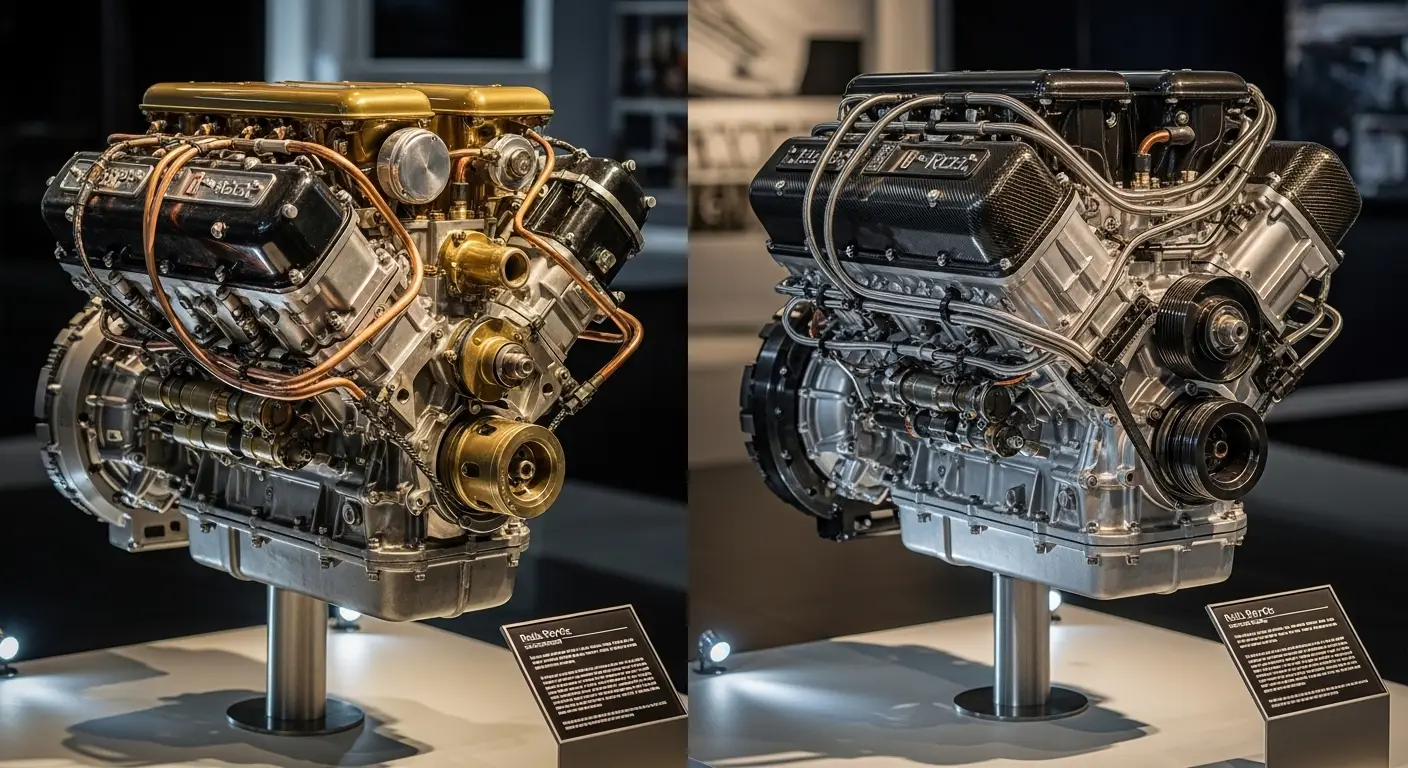
The Rolls-Royce Phantom V12 is engineered for effortless comfort and strong performance, but Dubai driving conditions are demanding. Extreme heat, heavy traffic, and long idle time put constant strain on cooling, lubrication, and electronics. Over time, this creates predictable engine fault patterns.
Dubai heat and long traffic idling accelerate engine stress
Heat plus stop-and-go traffic is hard on the Phantom’s cooling system. Even when stationary, engines generate heat while AC runs. Long idle hours increase stress on oil seals and electronics. Heat effects include:
- Cooling system pressure issues
- Oil seal degradation
- Battery and electronics overload
Engine Oil Pump Repair ensures oil circulation remains optimal under these conditions.
Aging seals and gaskets are a major reason leaks begin
Rubber seals and gaskets harden over time due to heat cycles and vibration. Weakened seals lead to:
- Oil seepage
- Coolant leaks
- Gradual fluid loss
Engine Camshaft Belt Repair can prevent additional strain caused by improper timing or leaks.
Carbon buildup reduces combustion efficiency over time
Short trips and heavy traffic cause carbon deposits that affect airflow and combustion, reducing smoothness and triggering misfires.
Complex electronics and sensors can trigger faults even when the engine is fine
Minor sensor issues can trigger warning lights or performance limits. Software errors can cause limp mode, shutdowns, or false fault readings. Engine Full Programming Services ensures electronics are correctly calibrated.
How can Rolls-Royce Phantom engine repair solutions provide permanent fixes
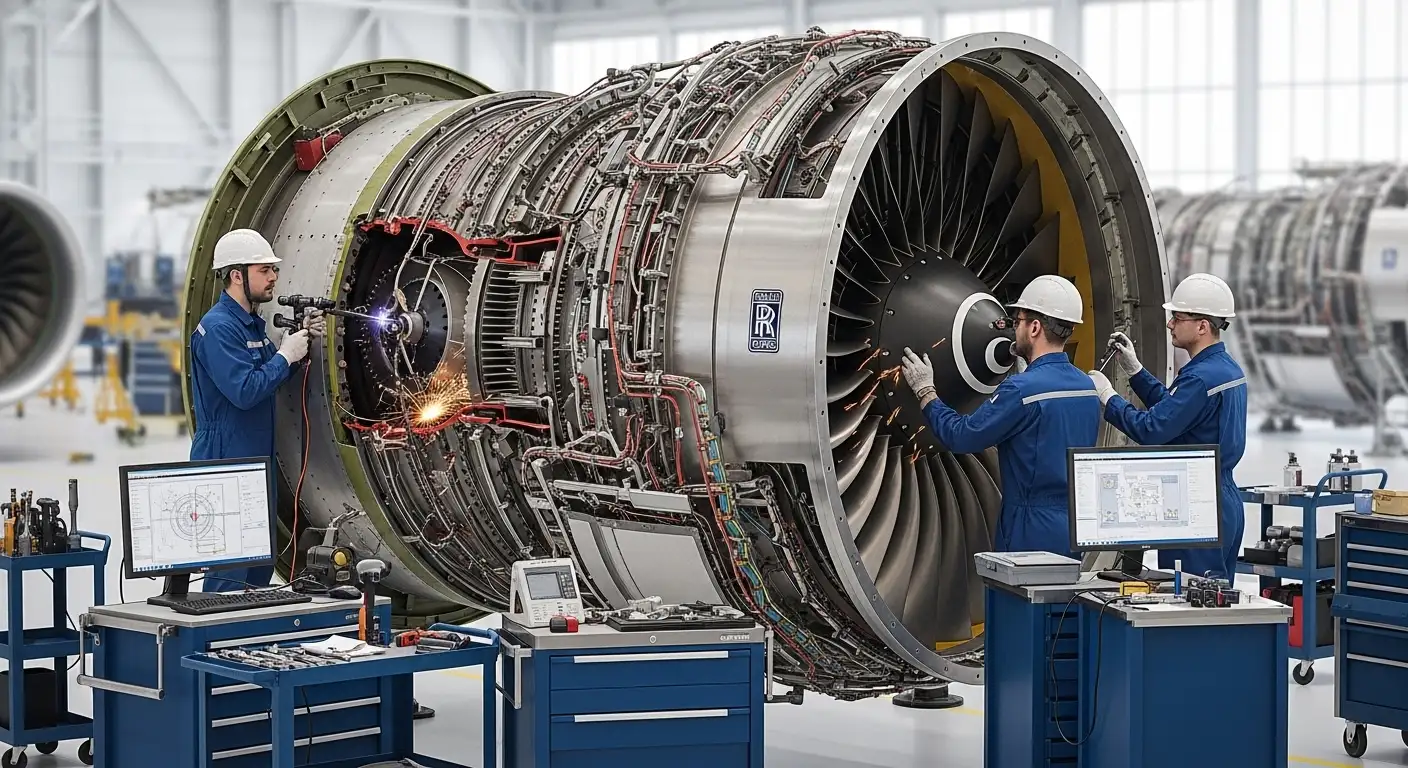
Once the exact cause of your Rolls-Royce Phantom engine issue is confirmed, repairs should be completed using OEM-standard parts, correct procedures, and approved fluids. The goal is always to solve the root problem, not just clear symptoms temporarily. With the V12 engine, accurate repair work matters as much as accurate diagnostics.
Ignition repairs restore smooth running and fix misfires
Weak coils or worn spark plugs can cause misfires and uneven power. Replacing these parts restores stable combustion.
Oil leak repairs protect the V12 from long-term wear
Proper resealing of gaskets prevents oil seepage, protecting engine components.
Cooling system repairs prevent overheating in Dubai conditions
Fixing leaks and replacing worn hoses stabilizes engine temperature and prevents repeat overheating.
Fuel system repairs restore correct fuel flow and acceleration
Stable fuel pressure and clean injectors improve power delivery and throttle response.
Sensor and emissions repairs improve efficiency and drivability
Correcting sensor errors restores air-fuel balance, enhancing performance and fuel economy.
ECU, DME, and EWS repairs solve software and immobilizer faults
Modern Phantom engines rely heavily on electronics. Updating software and correcting ECU communication stabilizes performance. Engine Timing Chain or Engine Turbocharger Repair may also be required depending on wear.
Mechanical engine repairs are required when noise or low compression appears
If knocking, tapping, or compression loss occurs, mechanical repairs or a full rebuild may be necessary. Engine Oil & Water Mix Repair is critical for preventing internal V12 damage.
Frequently Asked Questions
. What is the most common Rolls-Royce Phantom engine problem?
Misfires, oil leaks, and overheating are the most common Phantom engine problems, especially in Dubai traffic. Ignition coil wear, cooling system strain, and gasket leaks frequently develop under extreme heat conditions.
Why does my Phantom misfire sometimes and then disappear?
Intermittent misfires usually occur when an ignition coil weakens or carbon deposits affect combustion. High temperatures worsen the issue temporarily, then symptoms fade once the engine cools or load decreases.
What does limp mode mean in a Rolls-Royce Phantom?
Limp mode limits engine power to protect internal components. It activates when sensors detect misfires, overheating risks, fuel mixture imbalance, or voltage irregularities, preventing further mechanical damage.
Can an oil leak cause overheating?
Yes. Oil leaks reduce lubrication efficiency and increase internal friction. When oil contacts hot components, it raises engine bay temperature, accelerating heat buildup and stressing the cooling system.
Can battery drain cause EWS shutdown or no start?
Yes. A weak battery or parasitic drain creates voltage instability, confusing control modules. This may trigger EWS immobilizer shutdown, prevent starting, or generate false engine warning messages.
Is it safe to buy a Phantom with a check engine light?
Not without a complete diagnostic inspection. A check engine light may indicate minor sensor faults or serious internal engine issues such as persistent misfires, fuel imbalance, or mechanical wear.